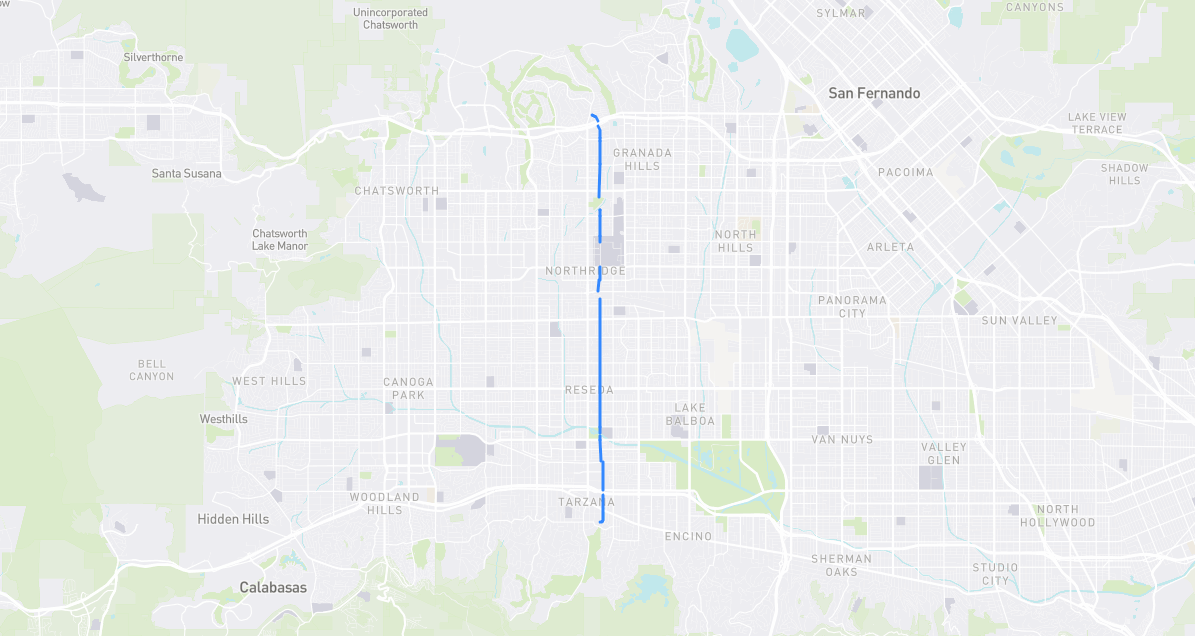
First, the easy part: Etiwanda Ave. was named by city ordinance in 1917. It was previously Magnolia Ave. and Beech Ave. but they had to be changed after Los Angeles annexed the Valley as L.A. already had streets by those names. The new moniker “Etiwanda” was borrowed from a farming colony that was established in 1882 near Rancho Cucamonga. Now for the hard part: where did the name come from in the first place? The accepted theory stems from a 1928 biography on George Chaffey (1848-1932), who’d founded Etiwanda with his brother Charles. (They both hailed from Hamilton, Ontario, Canada – and yes, they also founded Ontario, California.) It stated that Etiwanda was a Native American (or Canadian) who lived on the Lake Michigan shore and was friends with George’s late uncle Benjamin. But Lake Michigan is more than 400 miles west of the Chaffeys’ stomping grounds, and there’s no record of anyone called “Etiwanda” there or anywhere else. In South Carolina, however, there were native peoples and rivers variously known as the Etiwan, the Wando, and the Etiwando. An 1847 ballad by South Carolina poet John Tomlin, Etiwando, eulogizes its titular (fictitious) Carolina chieftain, and the steamer Etiwan that operated out of Charleston during the 1830s-1860s was sometimes listed as the Etiwanda. Although the Chaffeys never spent time in the Carolinas, George had been a shipbuilder; it’s also not impossible that he knew Tomlin’s poem and somehow conflated its hero’s name with that of his uncle’s old buddy.
Find it on the map: